
 Lauren LegateNews & insights
Flood Action Week: UK Reforms and Proactive Steps
UK Flood Action Week brings major policy shifts, from a new flood taskforce to Flood Performance Certificates. Here is what changing climate risks mean and how to prepare.
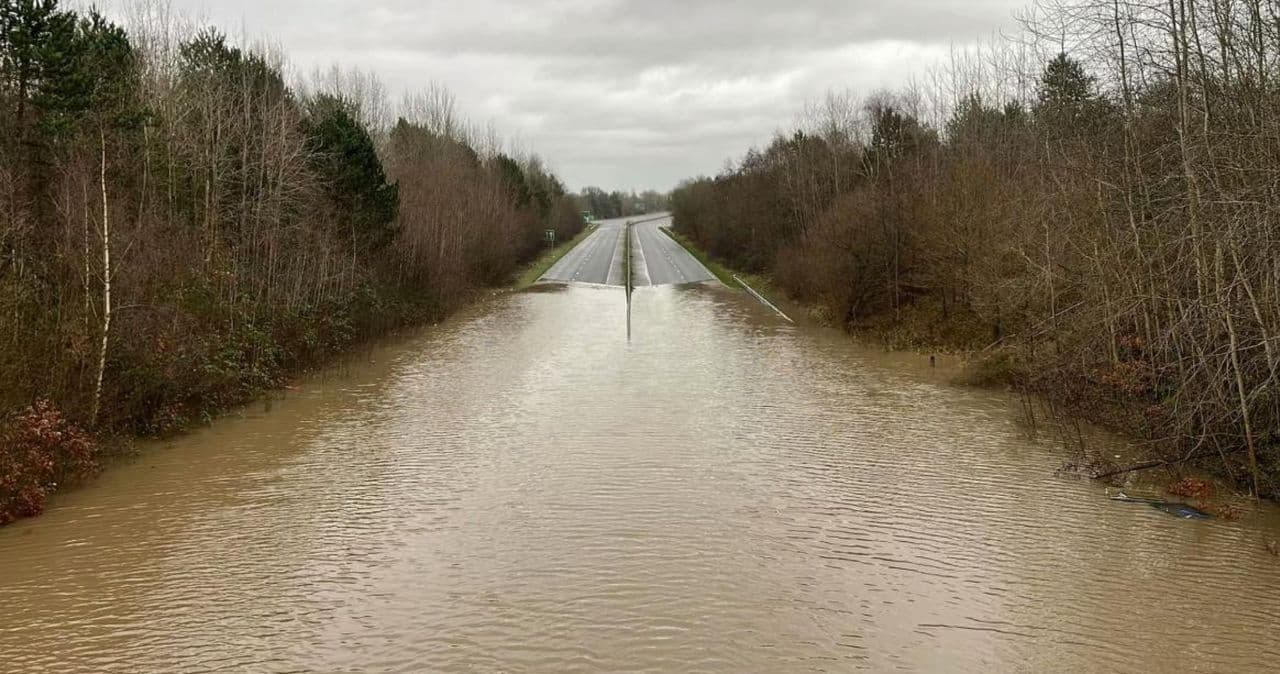
During Environment Agency Flood Action Week, the UK government introduced major initiatives to tackle escalating climate extremes, launching a national Flood and Drought Resilience Taskforce and piloting new Flood Performance Certificates. These policy shifts reflect a critical reality: passive reliance on traditional defence structures is no longer sufficient against unpredictable weather whiplash. For both households and commercial organisations, protecting property will start to require proactive risk assessments, structured flood plans, and hyper-local early warnings that provide enough lead time to deploy defences.
Flood Action Week: government launches new taskforce and portal
The Department for Environment, Food & Rural Affairs marked Flood Action Week in October 2026 by launching Flood Action Online, a centralised digital portal designed to help property owners identify their risk profile and plan defences. Alongside this service, the government confirmed a £4.2 billion investment running to March 2029 aimed at upgrading flood defence assets to better protect 200,000 properties nationwide. Ministers project this long-term infrastructure investment will deliver £27.9 billion in avoided economic damages across English communities.
Simultaneously, ministers convened the first meeting of the Flood and Drought Resilience Taskforce on 14 October 2026. Chaired by Floods and Drought Minister Emma Hardy, the group brings together more than 50 key bodies, including the Environment Agency, the Met Office, emergency services, regional mayoral authorities, and representatives from the insurance and farming sectors. The group focuses on joining up flood and drought management, recognising that water scarcity and deluge are connected challenges rather than isolated emergencies.
Flood Performance Certificates: standardising property resilience
The government and Flood Re announced new Flood Performance Certificates to give owners and insurers a standardised rating of building resilience, modelled on traditional Energy Performance Certificates (EPCs). Set for initial pilots throughout 2026 and 2027, the certificates measure three central dimensions: environmental flood exposure, property characteristics, and installed resistance measures. This framework gives property owners tangible benchmarks to evaluate vulnerabilities and provides insurers with verified data on protective measures.
Standardised scoring allows physical resilience investments to translate directly into commercial benefits. Under the scheme, verified property flood resilience measures, such as self-closing air bricks, non-return drainage valves, and demountable flood barriers, will be formally recognised by lenders and underwriters. In an insurance market where unmitigated flood exposure can lead to restrictive excesses or coverage exclusions, demonstrable resilience provides a mechanism to maintain affordable property protection.
With Flood Performance Certificate pilots starting this winter, now is the time to act. Strengthen your flood resilience today, and make sure your first certificate reflects best practice rather than a poor rating that could affect your insurance.
Weather whiplash
Prolonged dry spells significantly increase the severity of surface water flooding when intense rainstorms arrive. As highlighted in Previsico's analysis of why drought acts as an overlooked flood warning, parched earth and baked clay soils cannot absorb sudden cloudbursts. Water cascades across impermeable soil surfaces, overwhelming municipal storm drains and culverts within minutes.
Climate science defines these abrupt swings from dry periods to heavy downpours as hydroclimate whiplash. In 2026, England recorded its driest July in almost two centuries alongside its third drought within five years, yet forecasters anticipate more frequent cloudburst events during autumn and winter. Because surface water flooding in the UK strikes outside statutory river floodplains, static catchment maps leave asset owners blind to rapid run-off hazards.
Three steps to proactive flood management for homes and businesses
Property owners are starting to transition from reactive recovery to proactive prevention by establishing clear operational protocols before flood warnings sound. Research indicates that over 50% of small and medium enterprises never reopen following an unmitigated flood event. Implementing three fundamental preparation steps significantly limits structural damage, inventory loss, and business downtime.
- Conduct a comprehensive risk assessment: Identify specific buildings at risk of river and surface water flooding, low-lying access roads, utility connection points, and surface water drainage paths. Areas that were previously classed as low risk can now be dramatically different with climate change developments.
- Build and rehearse a flood action plan: Assign specific responsibilities to staff, document safe evacuation routes, and outline shutdown procedures for electrical and gas supplies.
- Install and maintain physical barriers: Deploy property flood resilience adaptations, including modular barrier systems, sump pumps, and backup power generation, ensuring equipment is tested ahead of wet seasons.
To establish an accurate baseline for your site before severe weather strikes, organisations can explore a flood risk assessment of their assets with one of our team. We also assist customers with developing their flood action plan and run flood drills in our Platform to assist with rehearsing the plans put in place.
Early warnings: moving from passive reaction to active prevention
Standard government flood alerts often fail to provide the localised accuracy needed to deploy demountable barriers and protect ground-floor assets. Because flash floods can develop and peak within an hour, general catchment warnings often arrive too late for commercial teams to mobilise response protocols. Advanced forecasting bridges this gap by combining live hydrodynamic surface modelling with real-time IoT water sensors.
By tracking hyper-local rainfall accumulation and live water movement down to street and property levels, asset owners gain hours of actionable notice rather than minutes of uncertainty. Proactive resilience is no longer about hoping municipal flood walls hold during extreme weather. It is about understanding local exposure, implementing verified physical defences, and acting on real-time intelligence before water reaches the threshold.
Lauren Legate