
 Lauren LegateUpdated News & insights
£1.4bn flood defence boost to protect communities across the UK
A major new investment in flood defences will see more than 600 projects rolled out across England, boosting resilience to the impacts of increasingly extreme weather.
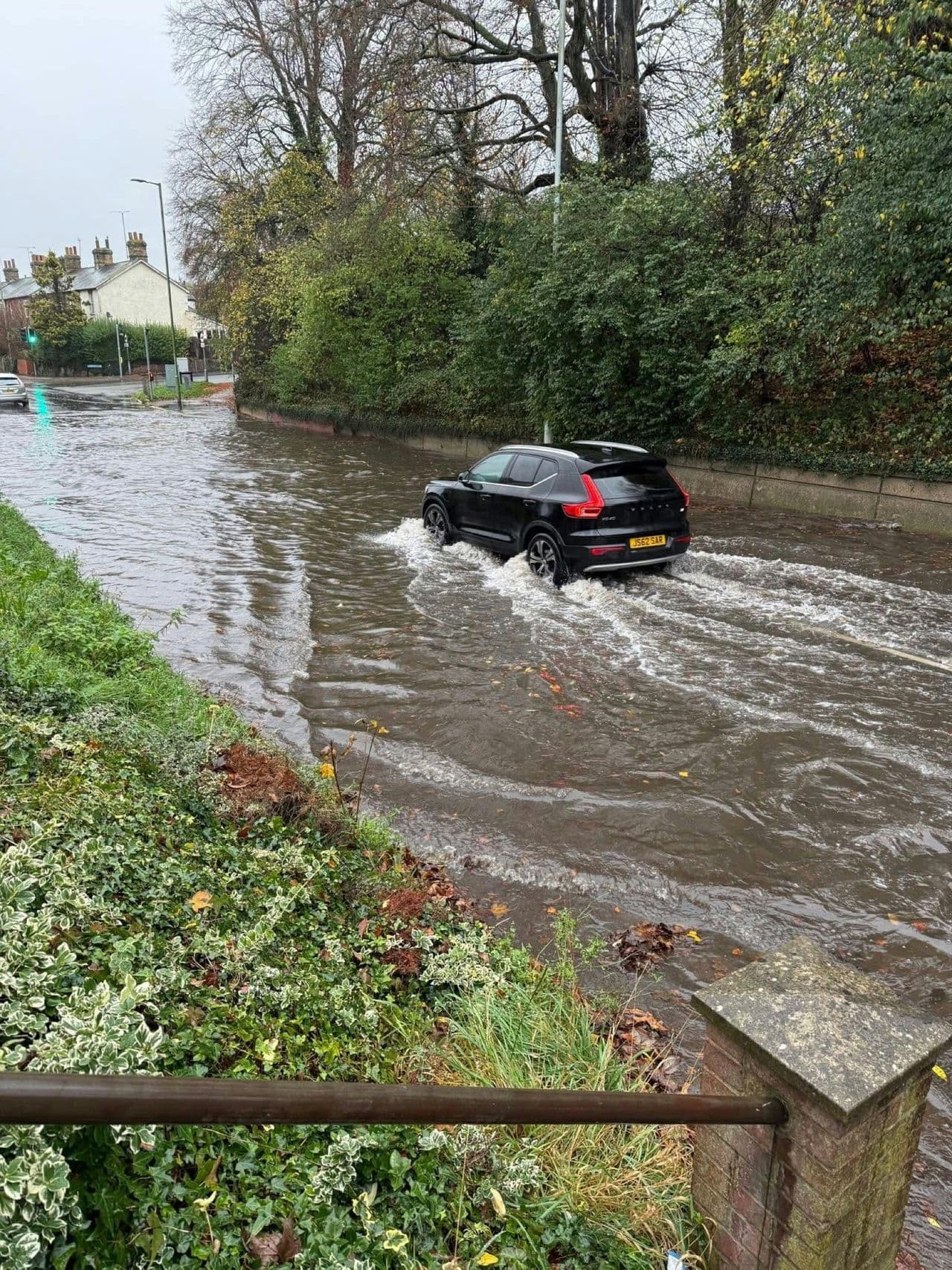
A major new flood defence investment announced by the Environment Agency will see tens of thousands of homes and businesses across England better protected from flooding.
More than 600 flood defence projects are set to be delivered this year, including upgrades to barriers and embankments, new coastal defences, and nature-based solutions to slow water flow and reduce risk to communities.
The funding forms part of a record £10.5 billion programme running from 2024 to 2036, with £1.4 billion allocated for 2026/27 alone. A further £260 million will be spent on repairing and maintaining existing defences, many of which were damaged during recent storms, including Storm Chandra last month.
Floods Minister, Emma Hardy said: "Flooding can turn lives upside down in a matter of hours, destroying homes, shutting down businesses and leaving communities facing months of heartbreak and recovery. This £1.4 billion investment will help protect tens of thousands of homes and businesses across the country and strengthen the defences families rely on when the worst happens."
Officials say the programme marks a turning point after years of declining asset condition, with every £1 spent on flood defences estimated to prevent around £8 in economic damage.
While this level of investment is substantial, it also reflects a deeper reality: flood risk in the UK is increasing in both scale and complexity. Climate change is driving more frequent and intense rainfall, placing pressure on drainage systems, rivers, and urban environments. As a result, flooding is no longer a series of isolated incidents, it is becoming a systemic and persistent challenge for the economy and society.
Flood defences play a critical role in mitigating this risk. From river barriers to coastal protections, these measures are essential in reducing the likelihood and severity of flood events. However, even the most robust infrastructure cannot eliminate risk entirely. Surface water flooding, overtopping, and the interconnected nature of modern infrastructure mean that disruption can still occur, even in areas with established defences.
Alongside these hard engineering methods of tackling the increasing risk of flooding, the ability to anticipate where and when flooding will occur, and to understand its likely impact at an asset level enables organisations to act earlier and more effectively. This shift from reactive response to proactive risk management is becoming a defining feature of modern flood resilience.
Lauren Legate