
 Lauren LegateUpdated News & insights
England’s flood problem isn’t knowledge, it’s investment
From advanced forecasting to improved drainage systems, it's clear we have the expertise to manage flooding, but the problem isn’t knowledge, it’s investment.
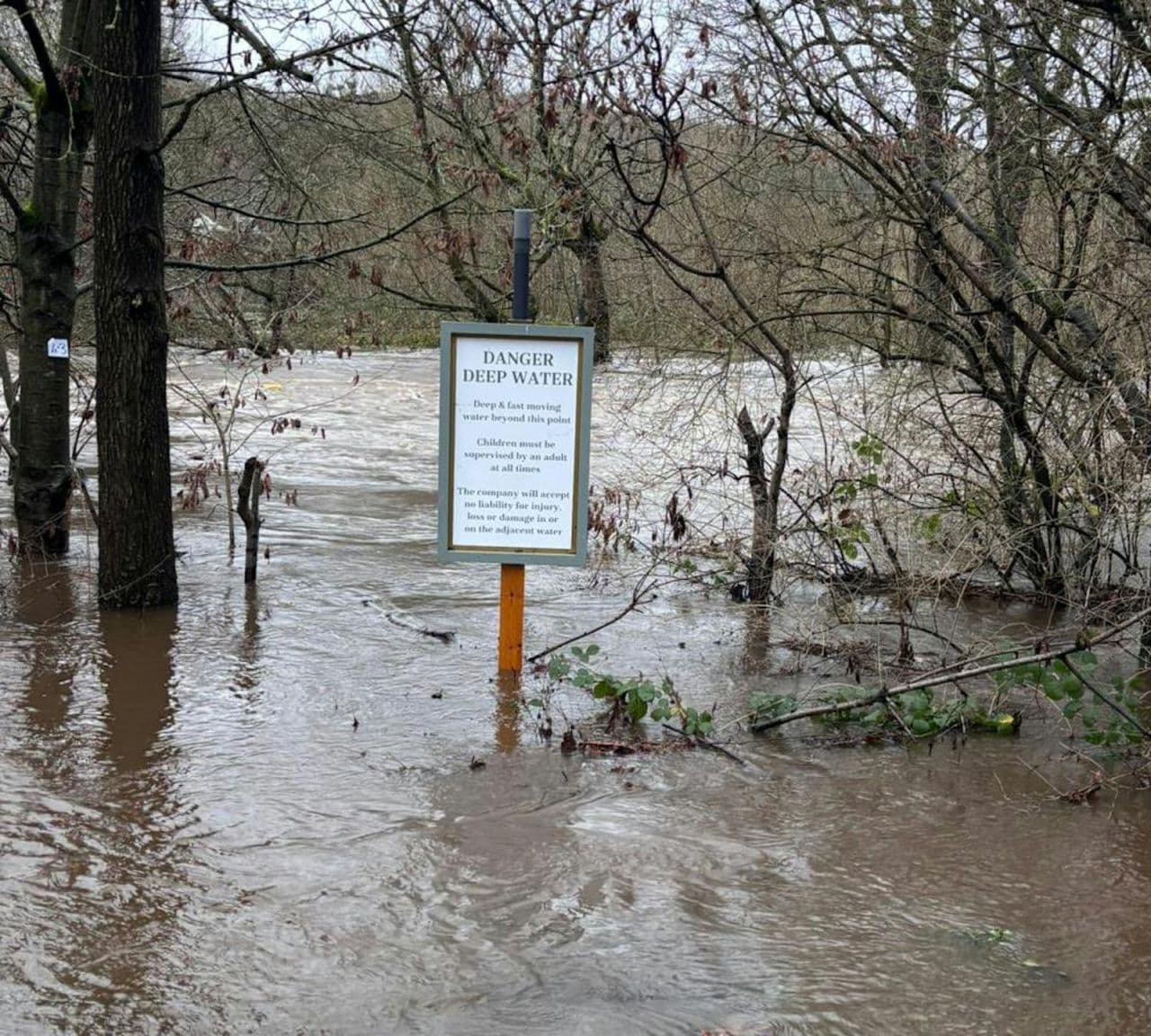
Flooding is one of England’s biggest climate challenges, yet the country has the expertise to manage it. The issue isn’t a lack of knowledge, it’s underinvestment.
Across England, experts in universities, environmental agencies, and technology companies have developed advanced ways to predict and mitigate flooding, from high-resolution weather modelling to improved drainage systems. But without consistent funding, much of this expertise goes underused, leaving communities and businesses exposed.
Previsico is a standout example of how technology can make a difference. Our company specialises in surface water forecasting, delivering live, property-level flood alerts 48 hours in advance. These warnings give businesses, local authorities, and infrastructure operators the time to take preventive action, reducing damage and disruption. By turning complex meteorological data into actionable insights, Previsico helps organisations move from reactive responses to proactive flood resilience.
The debate over funding has recently been highlighted in the letters page of The Guardian, where readers argued that England has all the necessary expertise to tackle flooding, the problem is political will and investment. The letters underline a growing frustration that, while the tools and knowledge exist, communities continue to bear the brunt of preventable damage.
Flooding is increasingly costly, with disruption to transport networks, commercial property, and supply chains running into billions annually. Investing in predictive technology and early-alert systems can significantly reduce these impacts, yet funding for large-scale adoption remains limited.
Businesses are starting to take action, often with the backing of their insurers. Sectors such as construction, asset management, and energy are incorporating forecasting tools into their risk-planning processes, showing that building resilience is achievable. If local authorities have the support of their insurer, some of which do, they can also make a significant difference by strengthening their approach to risk planning and flood preparedness. However, much of the public sector still lags behind, with flood protection measures too often funded only after a disaster has already struck.
Experts argue that England’s flood strategy must evolve. Rather than focusing solely on physical barriers and post-event recovery, it should invest in early-alert systems, predictive forecasting, and operational resilience. The knowledge exists; what is needed is long-term commitment and funding to scale these solutions across the country.
Lauren Legate