
 Lauren LegateNews & insights
89% of prisons at high flood risk: What the NAO report tells us about Britain's critical services
Flooding is the climate risk most often reported by the public bodies that keep the country running. A new National Audit Office report shows the scale of the exposure, and the gap between knowing the risk and managing it.
Flooding tops the list
On 2 November, the National Audit Office (NAO) published its review of climate-related disclosures from 31 public bodies, chosen because they are among the most exposed to climate risk. 2025-26 is the first year central government bodies have had to publish the impacts, timelines and costs of their most significant climate risks.
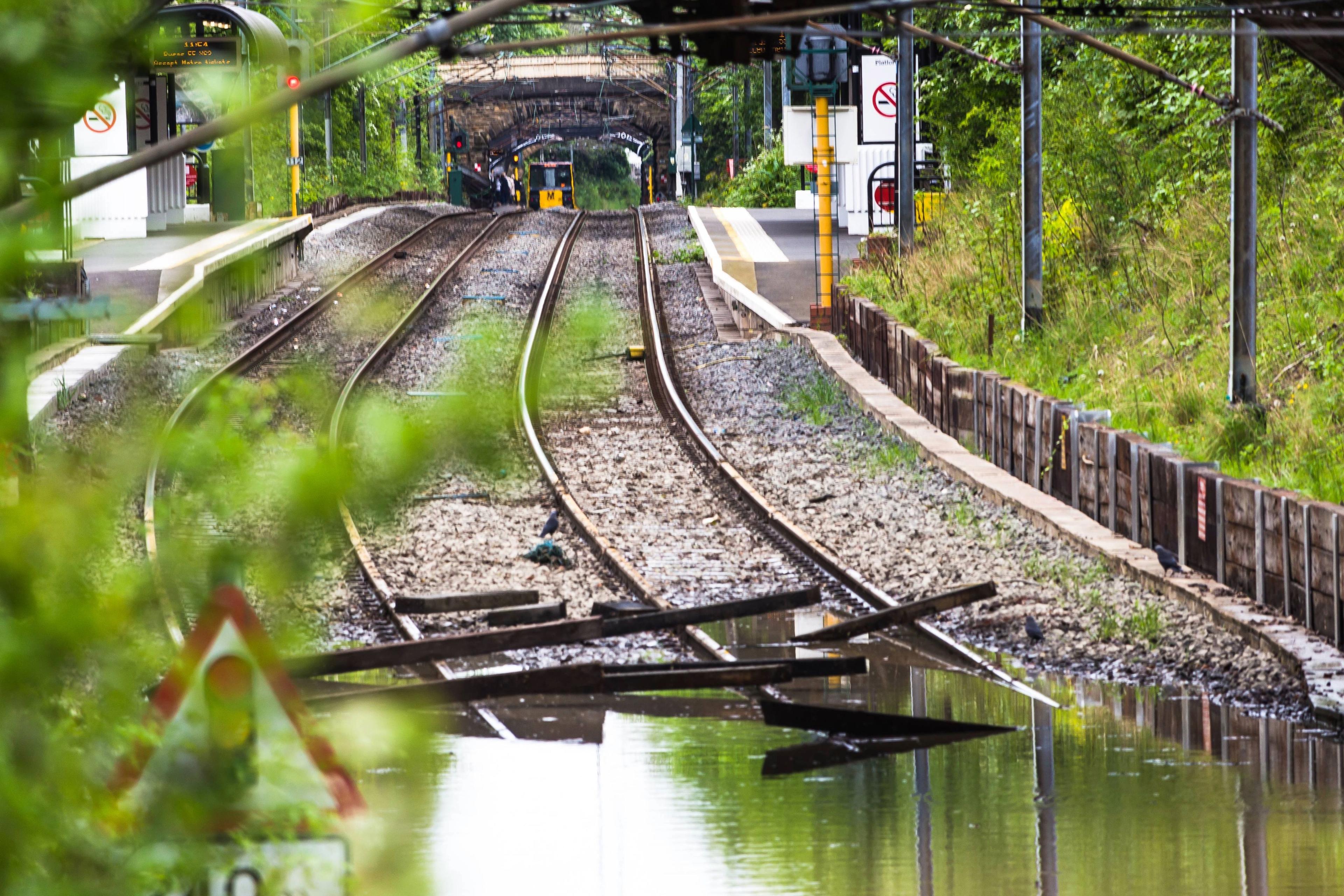
One risk stands out. Flooding was reported more often than any other, with 17 of the 31 bodies naming coastal flooding, surface water flooding or extreme rainfall as a risk.
The services most exposed
The numbers are stark:
• Prisons and courts: 89% of prisons are at high risk of flooding, along with 35% of probation sites and 13% of courts.
• The NHS: NHS England recorded 391 flooding incidents at NHS sites in 2024-25. Flooding and overheating are already disrupting healthcare, including delays to patient care.
• Roads: 26% of the strategic road network has an observed susceptibility to flooding.
• Rail: flooding caused 20% of weather-related delay minutes on the rail network in 2025-26, more than 226,000 minutes. Northern Trains reported £10.8 million in losses from service disruption in the same year.
Why it matters when it's a prison or a hospital
For most organisations, a flood means damaged property and lost days of trading. For a prison or a hospital, the stakes are different. These sites can't simply close their doors and send everyone home. The people in their care still need to be kept safe and treated, whatever is happening outside.
The bodies themselves set out what is at risk: closed or damaged sites, delays or failures in delivering public services, worse conditions for staff and service users, rising demand and rising costs. Several also flagged cascading failures, where flooding or extreme weather knocks out power or access and one problem triggers the next.
The pressure is building. NHS England expects disruption to increase even in a lower-emissions scenario. HM Prison & Probation Service has identified the 2030s as a "crunch decade", when the physical and financial impacts of climate change rise just as investment needs peak.
The gap between exposure and action
The NAO's most useful finding for anyone managing flood risk is this: bodies can describe their exposure, but most can't yet show how well they are managing it.
• Of the 15 central government bodies that judged climate to be material, 10 gave a relevant metric and only five set a target.
• Most metrics measure how exposed a body is, not how effectively it is responding.
• Only eight of the 21 bodies required to report on strategy put any figure on the financial impact.
• Nine bodies reported ongoing data challenges, including gaps in coverage.
Responding to the report, Geoffrey Clifton-Brown, chair of Parliament's Public Accounts Committee, said Parliament and the public "need more than a list of risks". They need to know how prepared organisations are to manage them.
Knowing that 89% of prisons sit at high risk is an important first step. The harder question is what happens on the day the water arrives: which sites are affected, how much warning there is, and what action is taken.
Some bodies are already moving
The report also shows what progress looks like.
National Highways has scored each physical climate hazard on the strategic road network out to 2080, rating surface water from extreme rainfall and overwhelmed drainage as major risks by 2030. It is now progressing targeted planning and mitigation.
Network Rail tracks delay minutes by weather type, tying climate risk to a performance indicator it already monitors.
The Environment Agency used cost modelling to restructure its incident response, and HM Prison & Probation Service plans to use scenario analysis as the basis for future property investment.
We're proud to already work with National Highways and Network Rail. Our work with National Highways in Area 7 shows what moving from exposure to action looks like in practice.
Structures at risk of scour, where fast-flowing water erodes the foundations of bridges and culverts, must be inspected after significant flood events. Without reliable data on whether water had actually reached critical levels, inspections were triggered often, and frequently unnecessarily. Each standard survey costs around £1,200 and needs sign-off from a chartered engineer.
Previsico installed water level sensors at six high-risk scour structures, paired with Snapshot Live solar-powered cameras. Engineers now know straight away whether thresholds have been breached, without a site visit, and our 48-hour forecasts let them clear debris before the rain arrives. The results:
- 66% fewer inspections, triggered by real data rather than the calendar
- £19,000+ estimated annual saving on inspection costs alone
- Less exposure to emergency closures, where a 24-hour closure costs around £20,000 in direct work
"The sensors and cameras have allowed us to carry out preventative debris clearance from our structures and reduced the risk of future flooding significantly." – Andrew Simpson, Structures Engineer, National Highways
These are exactly the kind of outcome-based measures the NAO wants to see, not just how exposed an asset is, but how well the risk is being managed.
From knowing the risk to acting on it
The NAO wants boards to use metrics that show how well a risk is being managed, not just how big it is. For flooding, that means moving from a static picture of exposure to live, site-level intelligence:
• Forecasts of flooding at each site, ahead of time, including surface water
• Real-time water level data where it matters most
• A clear record of alerts issued, lead time given and actions taken
That turns a disclosure into a decision, and gives organisations the measurable, outcome-focused metric the NAO says is missing.
This isn't only a public sector challenge. Large companies have reported climate risks under the Companies Act since 2022, and insurers, property owners, utilities and retailers face the same question: do you know when flooding will reach your sites, and what you'll do when it does?
For insurers and brokers, the same shift matters. A client who can show live flood alerts and a record of action taken is a better-understood risk than one who can only point to a flood map.
At Previsico, our hydrodynamic model, built on 20 years of research at Loughborough University, gives organisations that answer.
Source: National Audit Office, Government's climate risk: insights from 2025-26 disclosures, HC 618, 2 November 2026. Public Accounts Committee comment as reported by Insurance Journal (Bloomberg), 3 November 2026.
Request a demo
Lauren Legate