
Reducing National Highway's flood inspection costs and protecting critical road infrastructure
Working with Previsico, National Highways Area 7 has deployed water-level sensors and live cameras at six high-risk scour structures, transforming how the team monitors and responds to flood risk.
National Highways manages over 4,400 miles of motorways and major A-roads across England. Maintaining the structural integrity of bridges, culverts and drainage assets is critical, and flood events can trigger costly emergency closures, reactive inspections, and significant disruption across the wider network.
The challenge
Structures at risk of scour, where water erodes bridge or culvert foundations, must be inspected after significant flood events. Without reliable data on whether water levels had actually reached critical thresholds, inspections were triggered reactively and frequently, often unnecessarily. Each standard scour survey costs around £1,200, with one specialist sonar survey running to £15,000+ per year. Every inspection also requires sign-off from a chartered engineer, adding up to a full day of authorisation time per report.
The solution
Previsico deployed water-level sensors at six structures in Area 7, paired with Snapshot Live solar-powered cameras. The Flood Intelligence Platform gives the team:
- Real-time water level data: engineers know immediately whether thresholds have been breached, without a site visit.
- 48-hour advance flood forecasts: enabling proactive debris clearance before rain begins.
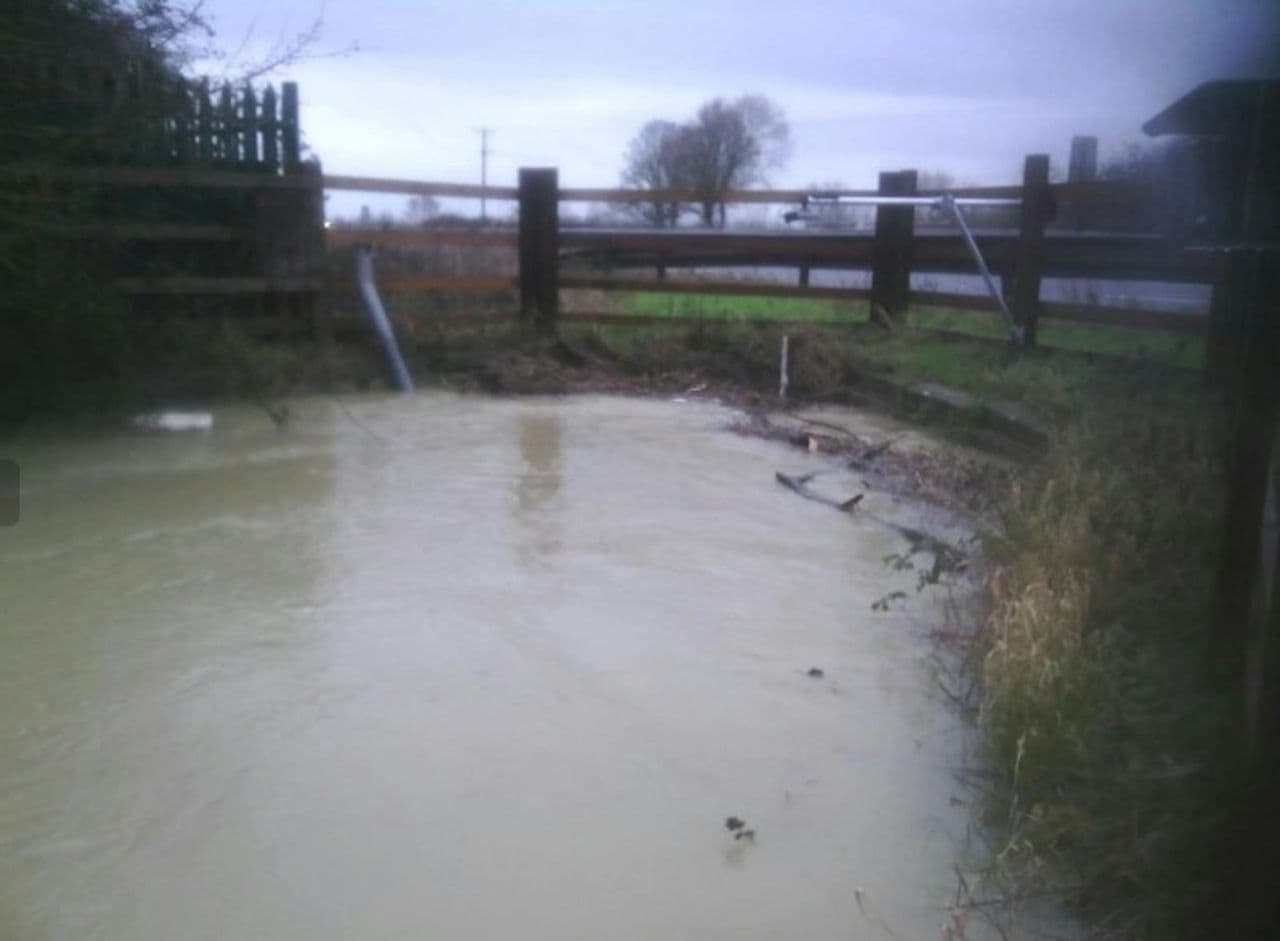
- Live camera imagery: visual confirmation of conditions at each structure, reducing unnecessary callouts.
- Alert-triggered inspection: inspections are now data-driven, not calendar-driven.
The results
- 66% reduction in inspection frequency: teams now inspect only when sensor data confirms thresholds have been reached.
- £19,000+ estimated annual saving: on inspection costs alone.
- Preventative maintenance enabled: debris cleared from structures ahead of forecast events, reducing blockage and closure risk.
- Reduced exposure to emergency road closure costs: a 24-hour closure costs ~£20,000 in direct work alone, not including wider network disruption.
"The sensors and cameras have allowed us to carry out preventative debris clearance from our structures and reduced the risk of future flooding significantly."
Andrew Simpson, Structures Engineer, National Highways
Previsico Team