Staying ahead of flood risk across Whitbread’s hospitality assets
Whitbread partnered with Previsico through their insurer Liberty Specialty Markets, giving them access to Risk Reduce platform, powered by Previsico's API and introducing on-site monitoring at six selected high-risk sites.
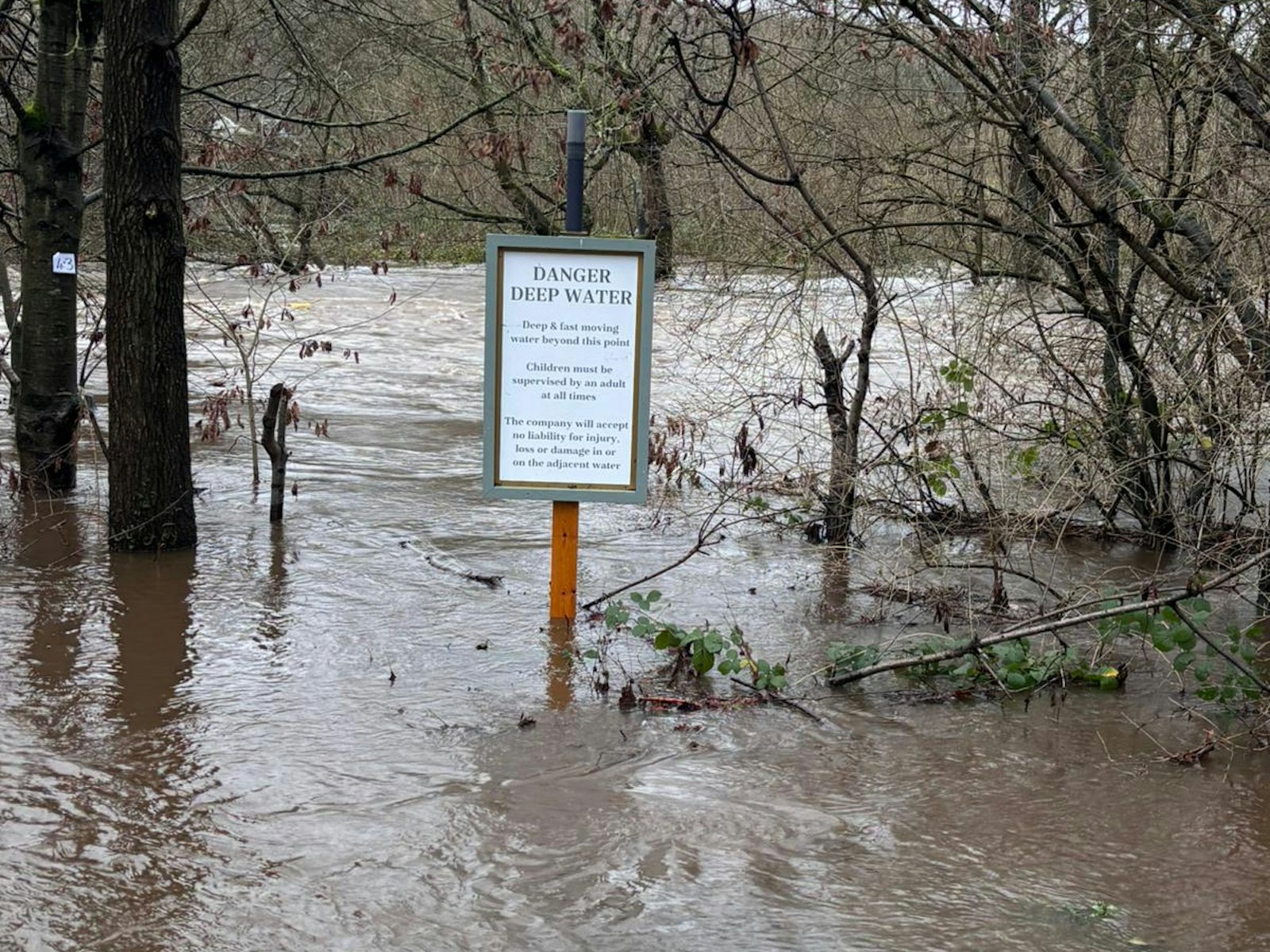
- £155,000Damage caused to one site before using Previsico
Challenges
Whitbread operates approximately 850 Premier Inn hotels and a number of restaurants across the UK and a further 64 hotels in Germany.
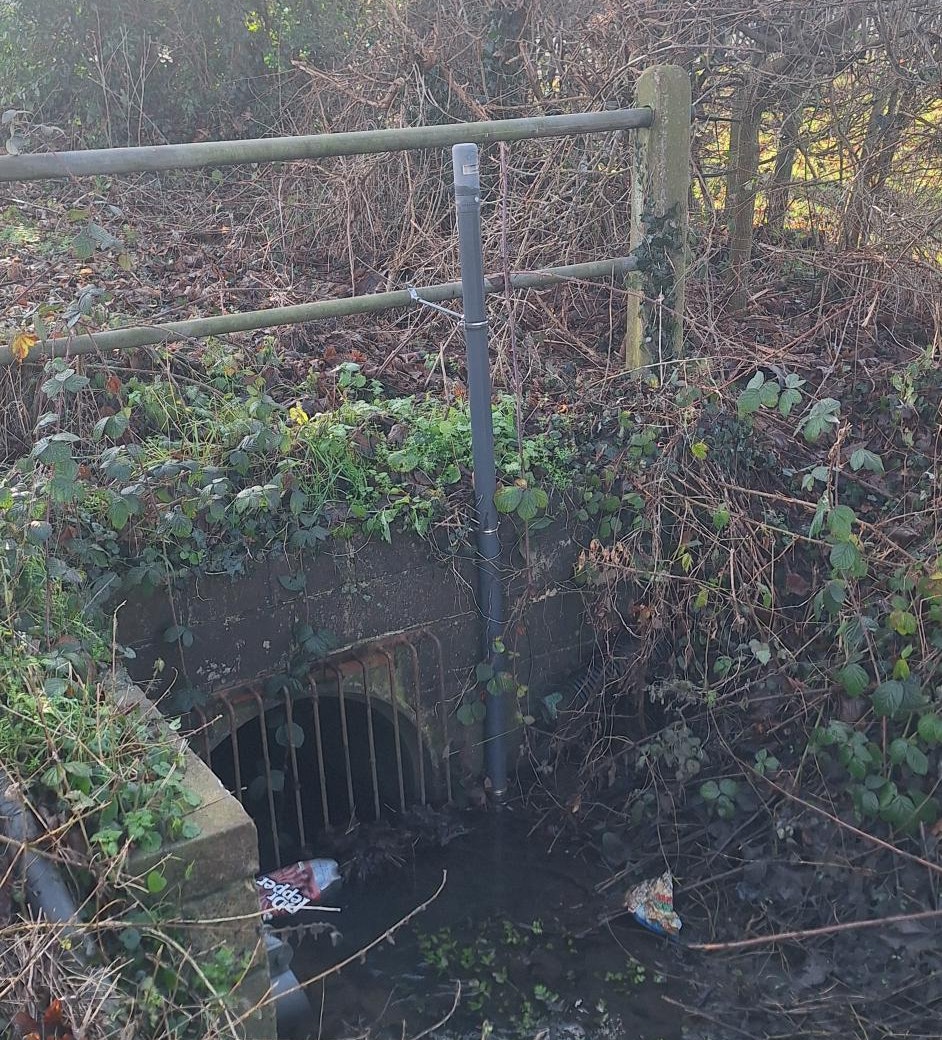
One restaurant site in Northampton, UK was identified as a higher-risk site. It is built on a floodplain, with a watercourse effectively running beneath the restaurant. Whole mitigation measures were already in place - including a drainage ditch constructed by the local authority - the site experiences some levels of flooding every 5-10 years. In 2013, a significant flood event forced the closure of part of Whitbread’s restaurant, leading to significant business interruption and the installation of flood mitigation measures such as flood barriers to protect doorways. Total costs were £155,000.
Historically, flood response at Whitbread relied heavily on local site teams’ experience and judgement. Staff would monitor conditions visually, such as checking water levels in the parking lot, and respond based on intuition rather than formal alerts. While effective in some cases, this approach lacked consistency and made it difficult to standardize flood response across a large and diverse estate.
As Whitbread’s asset risk strategy evolved, the business recognized the need for a more proactive, data-driven approach that could provide early warning, reduce disruption, and support consistent decision-making — without overwhelming sites with unnecessary alerts.

Solution
Whitbread partnered with Previsico through their insurer Liberty Specialty Markets, giving them access to Risk Reduce platform, powered by Previsico's API and introducing on-site monitoring at six selected high-risk sites.
At the Northampton restaurant, three flood sensors were installed in 2024 to provide continuous monitoring of local conditions. These were complemented by physical flood resilience measures including upgraded doors and frames, as well as floodgates upgraded to all external access points.
Internally, Whitbread developed a clear, step-by-step flood response process. At present, alerts are interpreted centrally and communicated to site teams with clear instructions, ensuring consistent responses across locations while processes continue to mature.
The value of this approach was demonstrated at Whitbread’s Huddersfield site on January 1st 2025. Previsico issued an alert which was escalated immediately. The hotel manager was able to deploy flood defenses and inform guests to move their vehicles to prevent damage and evacuate guests safely, avoiding both asset damage and guest disruption.
In addition, Previsico’s monitoring identified a pumping issue at the Northampton site, which was resolved by Whitbread’s contractors in September, preventing a potential future flood incident.
Benefits
By implementing Previsico, Whitbread has strengthened its approach to flood risk management across its most vulnerable sites:
- Reduced financial loss by preventing damage to buildings, vehicles, and assets.
- Reduced business interruption, avoiding prolonged closures and loss of revenue.
- Earlier, more accurate decision-making through reliable, easy-to-interpret data.
- Improved guest safety and experience, with timely evacuations where required.
- Greater operational confidence, removing reliance on subjective visual judgement.
As Whitbread continues to formalize asset risk management through a dedicated operational role, Previsico plays a key part in helping the business stay ahead of flood risk and protect both people and property.
The value of Previsico is that it helps us stay ahead of flooding risk and creates robust processes that enable our operational teams to react, limiting guest disruption and protecting assets. We have teams on site who know what to do, but now that we’ve implemented Previsico we have been able to set up formalized processes that are proactive, not reactive. The data isn’t complex — it’s been simplistic to use and interpret.